

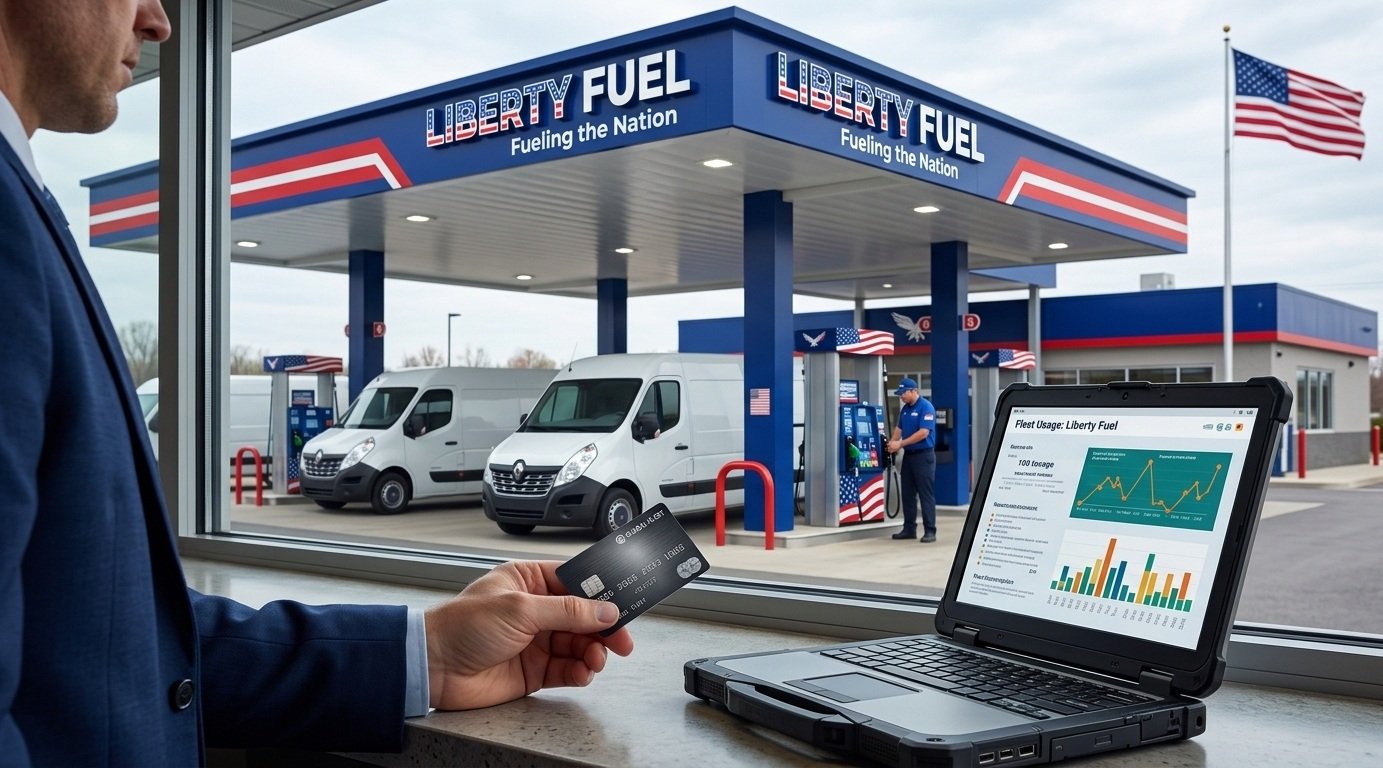
Fleet telematics has evolved from a basic location-tracking tool into an essential digital backbone for modern commercial transport operations. For fleet managers and operational directors navigating volatile fuel prices, labor shortages, and tight operating margins, relying on isolated operational data is no longer viable. The key to capturing meaningful cost reductions lies in connecting your vehicle data directly to your financial transaction tools. By integrating fuel cards with your tracking infrastructure, fleet leaders can achieve complete transparency over one of their largest variable expenses, drive administrative efficiency, and significantly boost bottom-line margins.
The Synergy of Fleet Telematics and Fuel Card Data
Fuel represents roughly 20% to 30% of total fleet operating costs, making it a constant target for optimization. Traditionally, fuel card reports and vehicle tracking logs existed in separate operational silos. Fleet administrators were forced to manually cross-reference monthly fuel receipts with driver timesheets or GPS logs to spot discrepancies—a tedious, error-prone process that often allowed costly leakage to go unnoticed.
Combining smart transaction systems with software solutions changes this dynamic entirely. When a driver swipes a fuel card at a station, the integrated platform immediately cross-references the transaction with the vehicle’s real-time telematics data. The system checks several parameters instantly:
Is the assigned vehicle physically present at the fuel pump location?
Is the ignition turned off or set to a compliant fueling state?
Does the volume of fuel requested match the vehicle’s actual tank capacity and current fuel level?
If any of these parameters fail to match, the system can send instant alerts to fleet managers or even decline the transaction at the point of sale. This automated verification turns reactive accounting into proactive prevention.
Eliminating Fuel Theft, Slippage, and Unauthorized Usage
Fuel slippage—whether through direct theft, card sharing, purchasing non-fuel items, or filling personal vehicles—quietly erodes fleet profitability. Even minor non-compliance across a medium-to-large fleet can result in tens of thousands of dollars in annual losses.
Integration provides the robust security layer needed to eliminate these unauthorized expenses:
1. Geofencing Validation: Transactions are only approved if the telematics hardware confirms the vehicle is within a predefined radius of the merchant’s GPS coordinates.
2. Fuel Tank Level Matching: Advanced telematics devices read data directly from the vehicle’s Engine Control Unit (ECU). The software compares the fuel volume added at the pump against the actual increase in the vehicle’s fuel tank sensor, flagging mismatches instantly.
3. Automated Off-Hour Alerts: If a fuel card is used outside of scheduled driver shifts or designated geographic routes, management receives an immediate notification to investigate.
By closing these security gaps, fleets typically experience an immediate reduction in total fuel expenditures without changing a single route or vehicle asset.
Driving Strategic Fleet Planning and Operational Efficiency with Fleet Telematics
Beyond security, synthesizing operational metrics with purchasing data provides executive leadership with the actionable intelligence required for long-term strategic decisions. Effective fleet planning relies on an accurate understanding of total cost of ownership (TCO) per asset, per route, and per driver.
When fleet telematics data—such as excessive idling, aggressive acceleration, speeding, and route deviations—is unified with actual fuel purchase data, operational directors gain an absolute view of fleet performance:
Idling Reduction: Telematics tracks exact idle hours, while fuel card data assigns a precise dollar value to that wasted fuel. Presenting drivers with concrete financial impacts fosters a stronger culture of fuel-conscious driving.
Predictive Maintenance: Unexpected drops in fuel economy, detected by comparing fuel purchase volumes against distance tracked by telematics, often signal underlying mechanical issues like clogged injectors, low tire pressure, or engine drag. Resolving these issues early prevents catastrophic failures and extends vehicle lifespans.
Optimal Route Selection: By combining real-world fuel consumption data across specific transit corridors, fleet planners can optimize dispatch schedules to avoid congestion, minimize fuel burn, and select fuel stations offering the best negotiated discounts.
Organizing your business around robust strategies found within specialized fleet operations resources empowers managers to shift from daily crisis management to data-driven growth.
Streamlining IFTA Compliance and Reducing Administrative Overhead
For interstate fleets, International Fuel Tax Agreement (IFTA) reporting is a persistent administrative burden. Manually compiling state-by-state mileage logs, paper receipts, and tax-paid gallons requires dozens of administrative hours each quarter and carries a high risk of human error during audits.
Integrated systems automate the entire IFTA calculation process. The telematics hardware logs precise GPS mileage accrued within each state or provincial jurisdiction. Simultaneously, the fuel card system logs the exact gallons purchased and taxes paid in those corresponding regions. The integrated software automatically maps fuel purchases to the exact location and jurisdiction where the vehicle operated, generating audit-ready IFTA reports with a single click. This automation drastically cuts administrative costs and eliminates costly penalty fees associated with filing errors.
Selecting the Right Integrated Solution for Your Fleet
To maximize the ROI of your telematics and fuel management integration, fleet managers should evaluate vendor capabilities against several technical standards:
Open API Architecture: Ensure your chosen telematics provider offers flexible application programming interfaces (APIs) that seamlessly connect with major commercial fuel card networks (such as WEX, Fleetcor, or proprietary oil company cards).
Real-Time Data Synchronization: Delayed batch updates reduce the effectiveness of theft prevention. Look for solutions that process transaction matching in real time or near-real time.
Customizable Reporting Dashboards: Executives need high-level summaries of cost per mile, while site managers need granular exception reports. Choose platforms that allow customizable data visualization and automated report scheduling.
Driver Mobile Integration: Modern setups empower drivers via mobile apps that guide them to preferred in-network fueling locations, display current fuel prices along their route, and allow digital receipt capture.
Transforming Fleet Operations into a Profit Center
Fuel management is no longer just an administrative task relegated to the accounting department; it is a core operational strategy. Deploying fleet telematics alongside automated fuel card validation gives operational directors the visibility, control, and analytical power required to eliminate waste and optimize fleet planning.
By curbing unauthorized spending, reducing administrative bottlenecks, and using real-time diagnostics to fine-tune driver behavior and maintenance, organizations can convert variable expense uncertainties into predictable financial performance. Investing in integrated fleet technologies delivers immediate paybacks, establishing a resilient operational model built for long-term profitability.